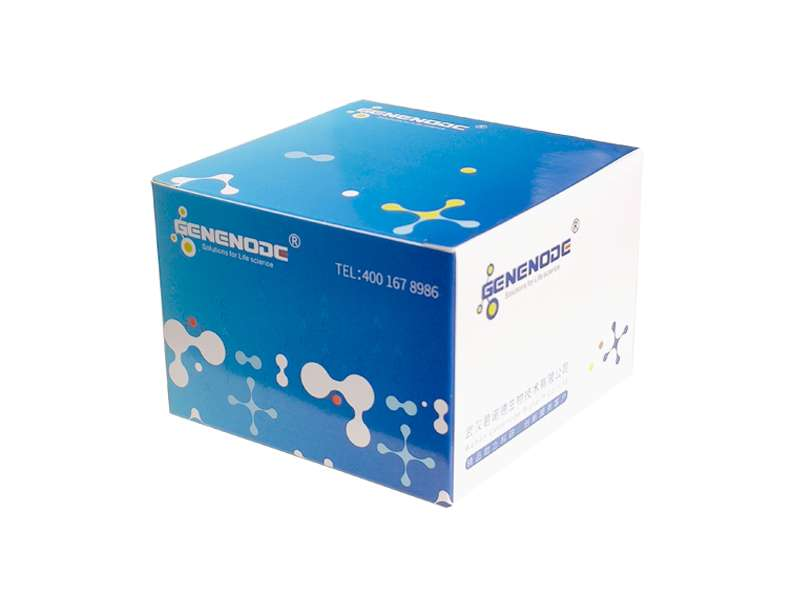
Viral RNA Extraction Kit(SpinColumn)
Packing Specification:
|
R2123-50
|
Viral RNA Extraction Kit(SpinColumn)
|
50T
|
CNY1190
|
|
R2123-200
|
Viral RNA Extraction Kit(SpinColumn)
|
200T
|
CNY4280
|
For research use only. Not for use in medicine, clinical diagnosis, food, cosmetics or other applications.
Product Introduction:
Using spin columns that specifically bind viral RNA and a unique buffer system, the Viral RNA Extraction Kit is suitable for the rapid extraction of high-purity viral RNA from cell-free body fluids, including plasma, serum, ascites, cultured cell supernatants, cerebrospinal fluid, and urine. This product meets the extraction requirements of most viral RNAs, such as HCV (Hepatitis C Virus), HIV (Human Immunodeficiency Virus), and HTLV (Human T-Cell Lymphotropic Virus), etc. After viral lysis, RNA is selectively adsorbed to the silica matrix membrane in the spin column under high chaotropic salt conditions. Through a series of rapid washing and centrifugation steps, impurities such as salts, cellular metabolites, and proteins are removed. Finally, pure viral RNA is eluted from the silica matrix membrane with a low-salt elution buffer. The purified viral nucleic acid is free of impurities and PCR inhibitors, and can be directly used for PCR/RT-PCR and other analyses.
Product Features:
1.No toxic reagents such as phenol are used, and no ethanol precipitation steps are required.
2.Time-saving and simple: Operation for a single sample can generally be completed within 20 minutes.
3.Multiple column washing steps ensure high purity. The extracted viral RNA has high purity and stable, reliable quality, and is suitable for various routine operations, including PCR/RT-PCR.
Experimental Procedures:
Note: Before first use, add the indicated amount of absolute ethanol to the Wash Buffer RW bottle, mix thoroughly, and mark with a check in the box immediately after adding to avoid repeated addition!
1.Transfer 200 μL of serum or other body fluids (bring to room temperature first; make up to 200 μL with 0.9% NaCl or PBS if insufficient) into a 1.5 mL centrifuge tube. Add 400 μL of Lysis Buffer RLB and immediately vortex vigorously to mix well.
2.Incubate at room temperature (15-25°C) for 10 minutes, vortexing to mix once every 5 minutes.
3.Add 450 μL of absolute ethanol and immediately vortex vigorously to mix well. If the ambient temperature exceeds 25°C, pre-cool the ethanol on ice before adding.
4.Transfer the mixture to a SpinRA column (place the spin column into a collection tube), centrifuge at 13,000 rpm for 30-60 seconds, and discard the waste liquid in the collection tube. If the total volume exceeds 750 μL, add the solution to the same SpinRA column in two portions.
5.Add 500 μL of Deproteinization Buffer RE, centrifuge at 12,000 rpm for 30 seconds, and discard the waste liquid.
6.Add 500 μL of Wash Buffer RW (please check if absolute ethanol has been added first!), centrifuge at 12,000 rpm for 30 seconds, and discard the waste liquid. Repeat this step with another 500 μL of Wash Buffer RW.
7.Place the SpinRA column back into the empty collection tube, centrifuge at 13,000 rpm for 2 minutes to remove as much wash buffer as possible, avoiding residual ethanol in the wash buffer that may inhibit downstream reactions.
8.Remove the SpinRA column, place it into a new RNase-free centrifuge tube. Add 30-50 μL of RNase-free H₂O to the center of the adsorption membrane (heating the water in a 65-70°C water bath in advance yields better results), incubate at room temperature for 1 minute, and centrifuge at 12,000 rpm for 1 minute. To obtain a larger amount of RNA, re-add the eluate to the spin column and centrifuge at 12,000 rpm for 1 minute. The larger the elution volume, the higher the elution efficiency. If a higher RNA concentration is required, the elution volume can be appropriately reduced, but the minimum volume should not be less than 20 μL. Too small a volume will reduce elution efficiency and RNA yield.
9.It is recommended to use viral RNA immediately after extraction; otherwise, store it at -70°C for short-term use.
Repeating the elution once results in a high-concentration RNA eluate. Combining two separate eluates increases the RNA yield by 15–30% compared to a single elution, but the concentration is lower. Users can choose according to their needs.