
English


QQ:1195537948
Tel:400-167-8986
Email:order@genenode.com
Web:www.genenode.com
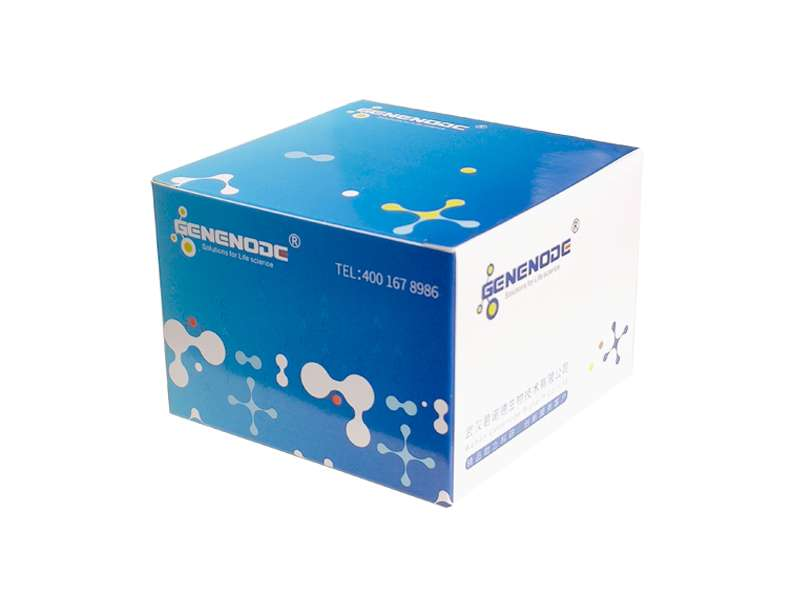
Allprep RNA/DNA/miRNA/protein Extraction Kit(SpinColumn)
Number:R2009
Specifications:50T/200T
Price:2000/7200
Package:box
Storage:4℃
Allprep RNA/DNA/miRNA/protein Extraction Kit(SpinColumn)
Packing Specification:
| R2009-50 | Allprep RNA/DNA/miRNA/protein Extraction Kit(SpinColumn) | 50T | CNY2000 |
| R2009-200 | Allprep RNA/DNA/miRNA/protein Extraction Kit(SpinColumn) | 200T | CNY7200 |
For research use only. Not for use in medicine, clinical diagnosis, food, cosmetics or other applications.
Product Introduction:
This kit is designed for the rapid simultaneous extraction and isolation of genomic DNA, total RNA (including miRNA) from the same animal cell or tissue sample. The unique lysis buffer rapidly lyses cells and inactivates cellular RNA/DNases. The lysate mixture (containing RNA/miRNA/gDNA) is then passed through a Genomic DNA Adsorption Column, where genomic DNA is retained while miRNA/RNA passes through as filtrate. Genomic DNA on the DNA adsorption column is eluted to obtain pure genomic DNA after a series of washing-centrifugation steps. After adjusting the binding conditions with ethanol, miRNA/RNA selectively binds to the miRNA/RNA adsorption column under high chaotropic salt conditions. Pure miRNA/RNA is obtained through a series of rapid washing-centrifugation and elution steps.
Based on phenol- and chloroform-free rapid DNA/RNA extraction technology combined with a unique separation method, the obtained miRNA/RNA/genomic DNA has high purity and no mutual interference. The miRNA/RNA can be directly used for reverse transcription PCR (RT-PCR), quantitative real-time PCR (qPCR), and other experiments. Genomic DNA can also be directly used for various downstream experiments such as Southern blot, restriction digestion, and PCR.
Product Features:
1.The silica matrix membranes in the spin columns are all high-quality specially manufactured adsorption membranes, ensuring minimal variation in adsorption capacity between columns.
2.Completely eliminates the need for toxic reagents such as phenol and chloroform, as well as ethanol precipitation steps.
3.Rapid and simple operation: Simultaneous extraction of miRNA/RNA/gDNA from a single sample can generally be completed within 40 minutes.
4.The Genomic DNA Adsorption Column ensures effective removal of residual genomic DNA. In most cases, the obtained miRNA/RNA does not require DNase digestion and can be directly used for RT-PCR, qPCR, and other experiments.
5.Multiple washing steps ensure high purity of miRNA/RNA/genomic DNA, which can be directly used for various downstream experiments.
Application Scope:
Suitable for the rapid simultaneous separation and extraction of genomic DNA, total RNA, and small molecular RNAs (microRNA, siRNA, snRNA, etc.) from the same animal cell or tissue sample. The RNA can be directly used for RT-PCR and qPCR.
Operation Steps:
Pre-Experiment Preparation:
1.Before first use, add the specified volume of absolute ethanol to Wash Solution 1, Wash Solution 2/3, and Wash Buffer WB, mix thoroughly, and mark the bottles with a marker.
2.Preheat the incubator or water bath to 75℃ in advance.
3.Prepare DNase I digestion working solution in advance according to the number of samples. The reaction system is as follows:
| Buffer | Volume per Prep | 10 Preps |
| DNase I Buffer | 45 μL | 450 μL |
| RNase-free DNase I | 5 μL | 50 μL |
| Total volume | 50 μL | 500 μL |
Note: DNase I is highly sensitive to physical denaturation. Do not vortex vigorously; mix gently by inverting the tube.
Sample Pretreatment Steps
Cultured Cells
1.Collect <10⁷ suspension cells into a 1.5 mL centrifuge tube. For adherent cells: Lyse directly in culture plates; for cells in flasks, digest with trypsin first, pipette to detach, and collect.
2.Centrifuge at 13,000 rpm for 10 seconds (or 300 x g for 5 minutes) to pellet the cells. Aspirate and discard the supernatant completely, leaving the cell pellet. Incomplete removal of the supernatant will dilute the lysis buffer, resulting in reduced yield and purity.
3.Flick the tube wall to fully resuspend the cell pellet. Add 350 μL of Lysis Buffer RLT Plus for <5×10⁶ cells (or 600 μL for 5×10⁶-1×10⁷ cells), mix by pipetting, and vortex vigorously by hand for 20 seconds to lyse thoroughly.
4.Homogenization (not required for small cell amounts <1×10⁵; vortex for 1 minute instead): Pass the lysate through a disposable 1 mL syringe with a blunt needle (0.9 mm) 5-10 times (or homogenize electrically for 30 seconds) to shear DNA, reduce viscosity, prevent column clogging, and improve yield.
5.Load the entire lysate or homogenate mixture onto a DNA Adsorption Column (placed in a collection tube).
6.Proceed to Step 6 in the general experimental operation steps.
Animal Tissues (e.g., Mouse Liver, Brain)
1.Electric Homogenization: Quickly cut fresh tissue into small pieces with a scalpel. Add 350 μL of Lysis Buffer RLT Plus for <20 mg of tissue (or 600 μL for 20-30 mg of tissue) and homogenize thoroughly electrically for 20-40 seconds.
2.Liquid Nitrogen Grinding + Homogenization: Grind the tissue into fine powder in liquid nitrogen. Transfer an appropriate amount of tissue powder (20 mg/30 mg) into a 1.5 mL centrifuge tube containing 350 μL/600 μL of Lysis Buffer RLT Plus, vortex vigorously by hand for 20 seconds to lyse thoroughly. Pass the lysate through a disposable 1 mL syringe with a blunt needle (0.9 mm) 10 times (or homogenize electrically for 30 seconds) to shear DNA, reduce viscosity, prevent column clogging, and improve yield.
3.Centrifuge the homogenized lysate at 13,000 rpm for 3 minutes to pellet any insoluble debris or undigested material.
4.Load the entire supernatant of the lysate onto a DNA Adsorption Column (placed in a collection tube).
5.Proceed to Step 6 in the general experimental operation steps.
General Experimental Operation Steps
6.Centrifuge at 13,000 rpm for 1 minute and retain the filtrate (miRNA/RNA is in the filtrate). The DNA Adsorption Column (with genomic DNA bound to the membrane) can be stored at 4℃ for short-term use. Ensure all liquid passes through the membrane after centrifugation; if necessary, increase centrifugal force and time.
RNA Extraction Steps
7.Add 50 μL or 80 μL of Proteinase K to the filtrate from Step 6 and vortex to mix.
8.Add 200 μL or 350 μL of absolute ethanol, mix thoroughly (flocculent precipitation may form, but this does not affect the extraction process). Incubate at room temperature for 10 minutes.
9.Add 400 μL or 750 μL of absolute ethanol, mix thoroughly (flocculent precipitation may form, but this does not affect the extraction process).
Immediately load the mixture into a Spin RA RNA Adsorption Column (placed in a collection tube) in batches (≤700 μL per aliquot). Centrifuge at 13,000 rpm for 30 seconds and discard the filtrate.
10.Retain the collection tube of the DNA Adsorption Column (the empty collection tube after transferring the filtrate-ethanol mixture to the RNA Adsorption Column). Place the DNA Adsorption Column back into this collection tube and store at 4℃ for genomic DNA extraction starting from Step 19.
11.Add 350 μL of Wash Solution 1 (check if absolute ethanol has been added!). Centrifuge at 12,000 rpm for 30 seconds and discard the filtrate.
12.Add 50 μL of the pre-prepared DNase I digestion working solution to the center of the adsorption membrane. Incubate at room temperature for 15 minutes.
13.Add 350 μL of Wash Solution 1 (check if absolute ethanol has been added!). Centrifuge at 12,000 rpm for 30 seconds and discard the filtrate.
14.Add 500 μL of Wash Solution 2/3 (check if absolute ethanol has been added!). Centrifuge at 12,000 rpm for 30 seconds and discard the filtrate. Repeat this step with another 500 μL of Wash Solution 2/3.
15.Place the Spin RA Adsorption Column back into the empty collection tube. Centrifuge at 13,000 rpm for 2 minutes to completely remove residual washing solution (residual ethanol may inhibit downstream reactions).
16.Transfer the Spin RA Adsorption Column to a new RNase-free centrifuge tube. Add 30-50 μL of RNase-free water to the center of the adsorption membrane according to the expected RNA yield. Incubate at room temperature for 1 minute, then centrifuge at 12,000 rpm for 1 minute.
17.Use the extracted RNA for downstream reactions immediately or store at low temperature as soon as possible.
Genomic DNA Extraction Steps
18.Add 250 μL of Inhibitor Removal Buffer IR to the DNA Adsorption Column from Step 11. Centrifuge at 12,000 rpm for 30 seconds and discard the filtrate.
19.Add 20 μL of Proteinase K to 60 μL of Inhibitor Removal Buffer IR and mix by pipetting. Add the mixture dropwise to the center of the membrane of the DNA Adsorption Column and incubate at room temperature for 5 minutes.
20.Add 250 μL of Inhibitor Removal Buffer IR. Centrifuge at 12,000 rpm for 30 seconds and discard the filtrate.
21.Add 500 μL of Wash Buffer WB (check if absolute ethanol has been added!). Centrifuge at 12,000 rpm for 30 seconds and discard the filtrate.
22.Add another 500 μL of Wash Buffer WB. Centrifuge at 12,000 rpm for 30 seconds and discard the filtrate.
23.Place the DNA Adsorption Column back into the empty collection tube. Centrifuge at 13,000 rpm for 2 minutes to completely remove residual washing solution (residual ethanol may inhibit downstream reactions).
24.Transfer the DNA Adsorption Column to a clean centrifuge tube. Add 100 μL of Elution Buffer EB (preheating the elution buffer in a 65-70℃ water bath can improve yield) to the center of the adsorption membrane. Incubate at room temperature for 3-5 minutes, then centrifuge at 12,000 rpm for 1 minute. Reapply the eluate to the adsorption column, incubate at room temperature for 2 minutes, and centrifuge at 12,000 rpm for 1 minute.Higher elution volume leads to higher elution efficiency. To obtain higher DNA concentration, the elution volume can be appropriately reduced, but the minimum volume should not be less than 50 μL (excessively small volume reduces DNA elution efficiency and yield).
Store DNA at 2-8℃ for short-term use or at -20℃ for long-term storage.


Official wechat
Contact number
18518676727
Instant messaging
QQ:800176181/1195537948
order@genenode.com
Address
C5-1, Zone C, Yangluo Port Huazhong International Industrial Park, No. 99, Yubo North Road, Yangtze River New Area, Wuhan City, Hubei Province
Beijing Genenode Biotech Co.,Ltd all right reserved